

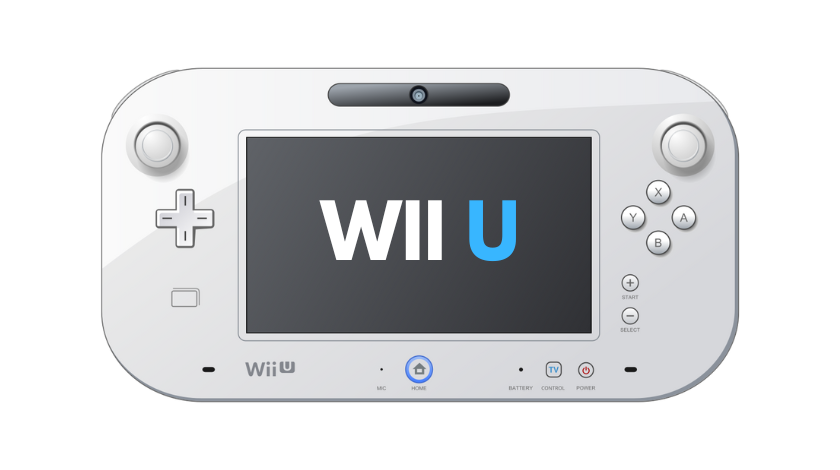
I still remember the first time I held the Wii U GamePad. It was Christmas morning, and the bulky, tablet-like controller felt both strange and exciting. On the TV screen, my Mii character was waving from a picturesque plaza. But on the GamePad’s screen, I had a first-person view, looking through my Mii’s eyes as I walked around. I could tilt the GamePad to look up at the virtual sky. In that moment, it felt like magic. This was not just another console; it was a glimpse into a new way to play. Yet, within a few years, the Wii U was declared a commercial failure, discontinued, and largely forgotten by the wider gaming world. How did something with so much promise end up becoming what many call Nintendo’s biggest misstep?
This is the story of the Wii U. It is a story about brilliant ideas that were ahead of their time, about catastrophic marketing failures, and about a library of games so good that they deserve to be remembered. It is about a console that died too young but whose soul lives on in the device that saved Nintendo: the Switch. If you only know the Wii U as “that weird thing before the Switch,” or if you are curious about picking one up today, join me as we explore the full, fascinating story of Nintendo’s most complicated console.
What Was the Wii U? Nintendo’s Grand Vision
To understand the Wii U, you must first remember the context. The original Wii was a global phenomenon. It sold over 100 million units by appealing to everyone from hardcore gamers to grandparents with its simple motion controls. It broke down barriers and brought gaming into the living room in a whole new way. The question for Nintendo was, how do you follow up on one of the best-selling consoles of all time?
Their answer was the Wii U, released in late 2012. On the surface, it looked like a modest upgrade. The main console unit was a small, rounded black box, a sleeker version of the Wii. It was Nintendo’s first console to output games in high definition 1080p, which was a huge and necessary step forward. But the real star of the show, the thing that was supposed to define this new generation, was the GamePad.
The Wii U GamePad was a radical piece of hardware. It was a large, tablet-shaped controller with a 6.2-inch touchscreen in the center, flanked by traditional buttons, analog sticks, and triggers. This was not just a secondary screen for displaying maps or inventory; it was the core of the Wii U’s identity. The console could stream the game’s video and audio directly to the GamePad, enabling a feature Nintendo called “Off-TV Play.” This meant you could keep playing your game on the GamePad’s screen even if someone else wanted to use the television. For families with one TV, this was a potential game-changer.
Nintendo’s vision was one of “asymmetric gameplay.” This is a fancy term for meaning that the player with the GamePad could have a completely different experience and different abilities from the other players who were using Wii Remotes. Imagine a game of digital hide-and-seek where one player on the GamePad can see the entire map and set traps, while the others on the TV screen have to navigate through the level with a limited view. This was the promise of the Wii U: to create new, social, and inventive types of games that were impossible on any other system. It was an ambitious goal, but as we will see, ambition alone is not enough for success.
Read Also: FPO Corn: A Beginner’s Guide to Collective Success in Maize Farming
Unboxing the Innovation: The Wii U Hardware and GamePad
Let us take a closer look at the hardware itself. When you bought a Wii U, you got the console, the GamePad, a stylus, and all the necessary cables. The console itself was quiet and discreet. It had backwards compatibility with almost all Wii games and accessories, which was a fantastic feature for anyone upgrading from the Wii. You could use your old Wii Remotes, Nunchuks, and even your save data. This made the transition for Wii owners feel seamless.
But the GamePad was the heart and soul of the system. Holding it felt substantial; it was not a lightweight device. The build quality was solid, but its large size and the fact that it needed to be charged frequently were minor drawbacks. The screen was resistive touch, not the capacitive kind found on modern smartphones. This meant you used a stylus or pressed down firmly with a finger. While it felt less advanced than an iPad, it was more precise for certain types of games, like drawing in Super Mario Maker.
The killer feature, the one I used more than any other, was Off-TV Play. I cannot overstate how revolutionary this felt in 2012. The PlayStation Vita could stream games from a PS4, but that was still a year away. The Wii U did it out of the box, seamlessly. I spent countless hours playing The Legend of Zelda: The Wind Waker HD or Super Mario 3D World on the GamePad screen while my wife watched her shows on TV. It was a solution to a common household problem that I did not even know I needed. In many ways, the Wii U GamePad was a prototype for the hybrid nature of the Nintendo Switch. It was the first console to truly untether the core gaming experience from the television.
Then there was Miiverse. This was Nintendo’s quirky, wholesome social network built directly into the operating system. At any time, you could press a button on the GamePad and pull up a feed of posts from other players around the world. You could share hand-drawn pictures, ask for help, or just celebrate beating a tough level. In Splatoon, it was the place where you saw those wonderful, often silly, hand-drawn posts in the plaza. Miiverse created a sense of community that felt uniquely Nintendo. It was safe, creative, and charming. Its closure in 2017 was a genuine loss for many fans.
A Library of Hidden Gems: The Best Wii U Games
A console is ultimately defined by its games, and this is where the Wii U truly shines. While it lacked the third-party support of its competitors, its first-party lineup from Nintendo is arguably one of the strongest and most creative in the company’s history. Many of these games were so good that they were later ported to the Switch, where they found a much larger audience. Let us talk about some of the masterpieces that defined the system.
The Legend of Zelda: The Wind Waker HD: This was not just a simple port of the beloved GameCube game. The HD version was a masterclass in remastering. The updated graphics were stunning, giving the cel-shaded world a new vibrancy. But the most significant change, one that fixed a major flaw from the original, was the addition of the “Swift Sail.” This item dramatically sped up sailing across the vast ocean, making the game much more enjoyable. Furthermore, the GamePad allowed for seamless inventory and map management, which streamlined the entire experience.
Super Mario 3D World: If you have only played the Switch version, you missed one of the GamePad’s best integrations. In the original Wii U release, you could tap the touchscreen to reveal hidden blocks or even poke enemies to stun them. This was a brilliant use of the second screen that added a fun, tactile element to the gameplay. The game itself is a masterpiece of 3D platforming, with incredibly creative levels and fantastic multiplayer.
Splatoon: This is perhaps the most powerful example of the Wii U’s lost potential. Splatoon was a brand-new, fresh, and incredibly fun IP from Nintendo a colorful and chaotic team-based shooter where you ink territory. The GamePad was integral to the experience. It displayed a real-time map of the entire battlefield, and you could instantly super-jump to a teammate’s location by tapping on it. This feature has never been replicated as effectively on the Switch. Splatoon was a system-seller that arrived just a little too late in the Wii U’s life cycle.
Mario Kart 8: The definitive version of one of the best Mario Kart games ever made. While the Deluxe version on Switch is more content-rich, the original on Wii U was a graphical showcase. The anti-gravity mechanics, the beautiful tracks, and the smooth online play made it an instant classic. The GamePad could be used as a rear-view mirror or for off-screen play, which was perfect for local multiplayer sessions.
Pikmin 3: This strategy game used the GamePad beautifully for managing your tiny captains. You could drag and drop them to different locations on the map, making multitasking much more intuitive. The touchscreen controls were so well implemented that many players preferred them over the traditional control scheme.
Other incredible exclusives, many of which are now expensive collector’s items, include the charming Captain Toad: Treasure Tracker, the epic Xenoblade Chronicles X, the hilarious Nintendo Land (which remains the best demonstration of asymmetric gameplay), and the original Super Mario Maker, which felt perfectly designed for the GamePad’s touchscreen. This library, while small, is packed with quality and innovation.
The Heartbreak: Why the Wii U Truly Failed
With such fantastic games and innovative ideas, why did the Wii U fail so spectacularly? It only sold around 13.5 million units worldwide, a fraction of the Wii’s sales and a disaster by console standards. The reasons are a perfect storm of missteps.
1. Catastrophic Marketing and Brand Confusion: This is, without a doubt, the single biggest reason. The name “Wii U” was a terrible choice. To the casual audience that had made the Wii a success, it was not clear that this was a brand-new console. Many people, including some of my own family members, thought the GamePad was just a new accessory for their existing Wii, like the Wii Balance Board. The advertising focused heavily on the GamePad without making the new console unit clear. This confusion doomed the Wii U from the start. It failed to communicate its unique selling proposition to the masses.
2. The High Cost of the GamePad: The GamePad was expensive to manufacture. This meant the Wii U had to be sold at a higher price point than was ideal. It also meant that Nintendo could not afford to bundle a second GamePad with the system, which limited the types of asymmetric games developers could make. If a game required a GamePad for one player, that was it only one person could have that role. This stifled the very innovation the console was built on.
3. Underpowered Hardware: While the jump to HD was important, the Wii U was significantly less powerful than the PlayStation 4 and Xbox One, which launched a year later. This led to poor third-party support. Major multiplatform games like Call of Duty or Assassin’s Creed either ran poorly on the Wii U, were stripped-down versions, or did not come to the system at all. This created a vicious cycle: third-party developers did not port games because the user base was small, and the user base did not grow because it lacked the big third-party games.
4. A Slow Software Drought: After a decent launch window, the Wii U suffered from long periods with no major game releases. Gamers would buy a console for Nintendo Land and New Super Mario Bros. U, and then have nothing to look forward to for six months or more. This killed any momentum the console might have had.
5. The Identity Crisis: The Wii U tried to appeal to both the casual “Wii Sports” audience and the core Nintendo fans. In doing so, it did not fully satisfy either. The casual audience was confused and moving on to mobile gaming, while the core audience was frustrated by the lack of power and third-party games. The console never found a clear, confident identity in the marketplace.
The Phoenix: How the Wii U’s Spirit Lives on in the Switch
If the story of the Wii U ended with its failure, it would just be a sad footnote. But its true legacy is that it served as a direct blueprint for the Nintendo Switch. The Wii U was a testing ground, and Nintendo learned all the right lessons from its mistakes.
Look at the Switch’s core concept: hybrid gaming. The Wii U’s Off-TV Play feature is the entire foundation of the Switch. Nintendo took the best idea of the Wii U and built a console entirely around it. They made the console itself the portable screen, eliminating the need for a complicated wireless video stream and a bulky, battery-draining controller.
They also learned from the marketing disaster. The name “Nintendo Switch” is simple, clear, and directly describes what the console does: it switches between TV and handheld mode. The messaging was crystal clear from day one.
Furthermore, many of the Switch’s biggest hits are ports of Wii U games. Mario Kart 8 Deluxe, *Super Mario 3D World + Bowser’s Fury*, Captain Toad: Treasure Tracker, Donkey Kong Country: Tropical Freeze, Pikmin 3 Deluxe, and Splatoon 2 (a sequel to a Wii U original) all started their life on the failed console. For millions of Switch owners, these are brand-new experiences, but for Wii U owners, it was a bittersweet validation. We had been playing these classics for years.
The Wii U was a necessary failure. It was the painful, experimental prototype that allowed the Switch to become the phenomenal success it is today. Every time you undock your Switch to play on the go, you are experiencing the dream that the Wii U GamePad first made possible.
Is the Wii U Worth Buying in 2024?
This is the practical question. With the eShop now closed, is there any reason to hunt down a Wii U today? The answer is a surprising “maybe,” depending on what kind of user you are.
The Case FOR Buying a Wii U in 2024:
-
It is a Fantastic Nintendo Museum: The Wii U is arguably the best console for playing a huge range of Nintendo classics. Through its now-defunct eShop, it had access to a massive Virtual Console library, including NES, SNES, N64, Game Boy Advance, and DS games. If you find a console with these games already purchased on its account, it becomes an incredible all-in-one machine. It is also one of the easiest and most reliable ways to play The Legend of Zelda: The Wind Waker and Twilight Princess in HD.
-
It is a Budget-Friendly Option: You can often find a used Wii U with a bunch of games for a fraction of the price of a Nintendo Switch. If you have never experienced its exclusive library, it is a cheap way to play some of Nintendo’s best games.
-
For the Collector and Modder: The homebrew and modding scene for the Wii U is very active. By modding the console, you can unlock a vast amount of functionality, from backing up your physical games to playing emulators for other systems. It can become the ultimate retro gaming hub in a way that the Switch cannot, at least not as easily.
The Case AGAINST Buying a Wii U in 2024:
-
The eShop is Closed: This is the biggest downside. You can no longer digitally purchase new games or DLC. Your only option for acquiring new software is to buy physical discs, which for some sought-after titles can be very expensive.
-
The GamePad is a Single Point of Failure: The Wii U GamePad is essential for the system’s initial setup and for navigating its menus. If your GamePad breaks, it can be very difficult and expensive to find a replacement that is properly synced to your console. This is a major risk for aging hardware.
-
Most of the Best Games are on Switch: As mentioned, Mario Kart 8 Deluxe, Super Mario 3D World, Captain Toad, Pikmin 3, and Donkey Kong Country: Tropical Freeze are all on the Switch with additional content. For most people, the Switch versions are the definitive way to play these games.
My Personal Verdict: If you are a die-hard Nintendo fan, a collector, or someone interested in gaming history and modding, the Wii U is a fascinating and rewarding console to own. It feels like a piece of living history. However, for the average gamer who just wants to play the best versions of Nintendo’s games, the Nintendo Switch is the simpler, more supported, and overall better choice.
Conclusion
The Wii U’s story is a tragedy of what could have been. It was a console brimming with creativity and heart, let down by a confusing name, poor marketing, and a market that was not ready for its unique vision. It was a commercial failure, but it was not a creative one. Its library of games is exceptional, and its influence on the industry, particularly on the Nintendo Switch, is undeniable.
For me, the Wii U will always be more than just a failed console. It is the console that gave me those quiet, personal gaming sessions on the GamePad. It is the console that introduced the world to the chaotic fun of Splatoon. It is the console that dared to be different. It was a stumble, but it was a necessary one that allowed Nintendo to rise again and redefine modern gaming. The Wii U was not a masterpiece of commerce, but for those who experienced its unique charm, it was a masterpiece of imagination.
Frequently Asked Questions (FAQ)
Q1: What is the main difference between the Wii and the Wii U?
A: The Wii U is a completely new, more powerful console that outputs in HD, while the original Wii does not. The most significant difference is the Wii U GamePad, a tablet-like controller with a screen that enables features like Off-TV Play, which the Wii does not have. The Wii U is also backwards compatible with Wii games and accessories.
Q2: Can you still play online on the Wii U?
A: As of now, yes, for most games. While the Miiverse social network has been shut down, the online multiplayer functionality for games like Mario Kart 8 and Splatoon is still active. However, Nintendo has announced that online services for the Wii U and 3DS will end in early April 2024, so this will change soon.
Q3: Why are some Wii U games so expensive now?
A: Since the Wii U sold poorly, physical copies of its games were produced in smaller quantities. With the eShop closed, physical discs are the only legal way for new players to acquire these games. High demand for beloved titles like The Legend of Zelda: The Wind Waker HD and Xenoblade Chronicles X from collectors and new owners has driven prices up.
Q4: Did the Wii U have any good games that are NOT on the Switch?
A: Yes! Some notable exclusives that have not been ported include Xenoblade Chronicles X, Nintendo Land, the original Super Mario Maker (though a sequel is on Switch), Game & Wario, and Zelda: The Wind Waker HD and Twilight Princess HD.
Q5: Is the Wii U GamePad necessary?
A: Absolutely yes. The GamePad is required for the initial system setup, changing console settings, and navigating the main menu. Many games also rely on it for core gameplay. A Wii U cannot function without its GamePad.


